
The Benefits of Raised Garden Beds
- Terri Windover

- Mar 15
- 3 min read
Gardening can be a rewarding hobby, but traditional in-ground gardens often come with challenges like poor soil, pests, and limited space. Raised garden beds offer a practical solution that can transform your gardening experience. They provide better control over soil quality, improve drainage, and make gardening more accessible. This post explores the key benefits of raised garden beds and how they can help you grow healthier plants with less effort.
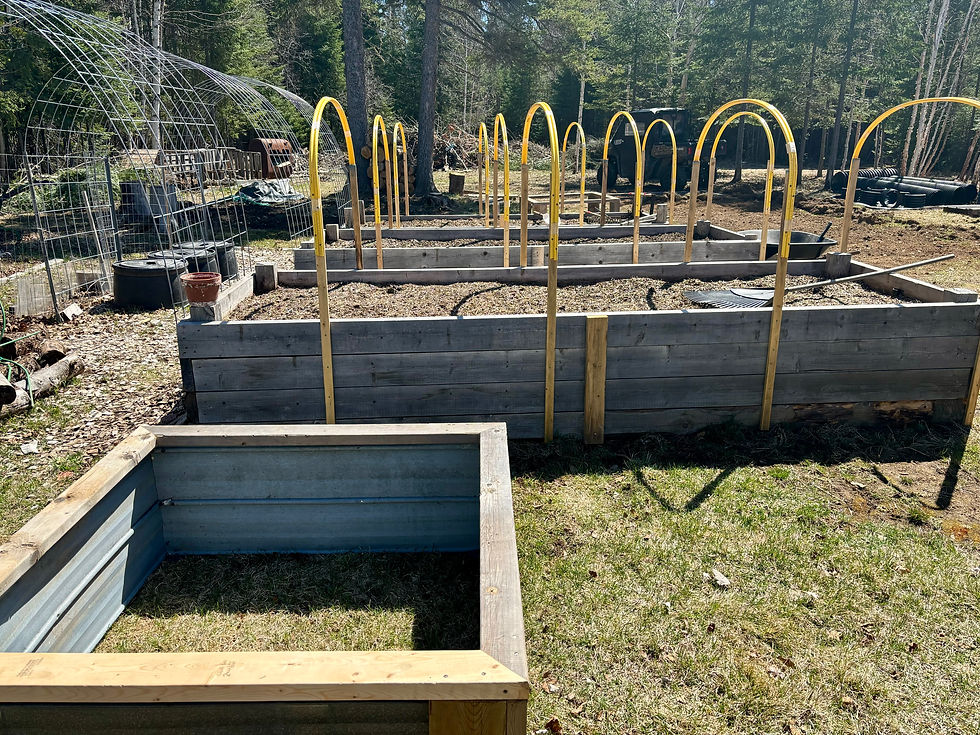
Better soil quality and control
One of the biggest advantages of raised garden beds is the ability to control the soil environment. Unlike traditional gardens where soil quality varies and may be poor, raised beds allow you to fill them with a custom soil mix tailored to your plants’ needs. This means you can:
Use nutrient-rich compost and organic matter
Avoid compacted or clay-heavy soil
Adjust pH levels more easily
Prevent contamination from nearby soil pollutants
For example, if your native soil is sandy and drains too quickly, you can add organic matter in your raised bed to retain moisture. This control leads to healthier root systems and better plant growth.
Improved drainage and reduced soil erosion
Raised beds sit above ground level, which naturally improves drainage. Excess water drains away faster, preventing waterlogged roots that can cause plant diseases. This is especially helpful in areas with heavy rainfall or poor-draining soil.
Additionally, raised beds reduce soil erosion. The contained structure keeps soil from washing away during storms or heavy watering. This means you spend less time replacing lost soil and more time enjoying your garden.
Easier access and reduced strain
Gardening can be physically demanding, especially for people with limited mobility or back problems. Raised garden beds bring the soil closer to you, reducing the need to bend or kneel deeply. This makes planting, weeding, and harvesting easier and more comfortable.
Raised beds can be built at different heights to suit your needs. For example, a 2-3 foot tall bed allows you to garden while standing or sitting on a stool. This accessibility encourages more frequent care and enjoyment of your garden.

Extended growing season
Raised beds warm up faster in spring compared to in-ground gardens. The soil in raised beds is exposed to air on all sides, which helps it heat up quickly. This allows you to start planting earlier in the season.
In colder months, raised beds can also be covered more easily with row covers or cold frames to protect plants from frost. This flexibility extends your growing season and increases the variety of crops you can grow.
Pest and weed control
Raised garden beds create a physical barrier that helps keep out some pests like rabbits and ground-dwelling insects. You can also add mesh or netting over the beds to protect plants from birds and larger pests.
Weeds are easier to manage in raised beds because the contained soil is less likely to have weed seeds compared to native soil. Plus, the soil mix you add is usually free of weed seeds, reducing the time spent pulling unwanted plants.
Space efficiency and design flexibility
Raised beds can be placed almost anywhere — on patios, rooftops, or small yards — making them ideal for urban gardeners or those with limited space. Their defined borders help organize your garden and make efficient use of available space.
You can design raised beds in various shapes and sizes to fit your landscape. For example, square or rectangular beds work well for row planting, while circular or tiered beds can add visual interest and maximize planting area.

Better plant health and higher yields
Because raised beds provide optimal soil conditions, better drainage, and easier maintenance, plants tend to grow stronger and produce more. The improved root environment supports healthy nutrient uptake, which translates to bigger fruits, vegetables, and flowers.
Gardeners often report higher yields from raised beds compared to traditional gardens, especially when growing vegetables like tomatoes, peppers, and leafy greens.
Reduced soil compaction
In traditional gardens, walking on the soil compacts it, making it harder for roots to grow and for water to penetrate. Raised beds keep foot traffic off the planting area, preserving loose, aerated soil that encourages root development.
This means your plants can access air and water more easily, leading to healthier growth.


Comments